
Challenge
Maintaining precise and uniform temperatures during polysilicon growth in the Siemens process is highly challenging due to extreme operating conditions. Silicon rods are exposed to temperatures reaching up to 1150 °C inside a chemically aggressive CVD reactor environment, where direct contact measurement is not possible. Additionally, silicon exhibits variable emissivity depending on temperature, wavelength, and surface conditions, making accurate temperature measurement complex. Limited accessibility within the reactor further complicates sensor placement and reliable monitoring, increasing the risk of overheating, structural defects, and process instability.
Solution
Infrared pyrometers using fiber optic technology and ratio (two-color) measurement principles provide a robust and reliable solution for temperature control in polysilicon growth. These systems enable precise, non-contact temperature measurement in confined and high-temperature environments typical of the Siemens process. By comparing radiation at two wavelengths, ratio pyrometers compensate for emissivity variations and optical disturbances, ensuring stable and accurate readings. Fiber optic designs allow the sensing head to be positioned directly in harsh zones while keeping sensitive electronics safely outside, enhancing durability and operational reliability.
Benefits
Ensures uniform polysilicon deposition, improving structural integrity and material purity
Prevents overheating and potential rod melting through accurate and continuous temperature monitoring
Operates reliably in extreme temperatures and chemically aggressive environments
Enables precise measurement in confined reactor spaces without interfering with the process
Supports faster system integration and long-term optimization with dependable performance
The Critical Role of Temperature Control in the Siemens Process
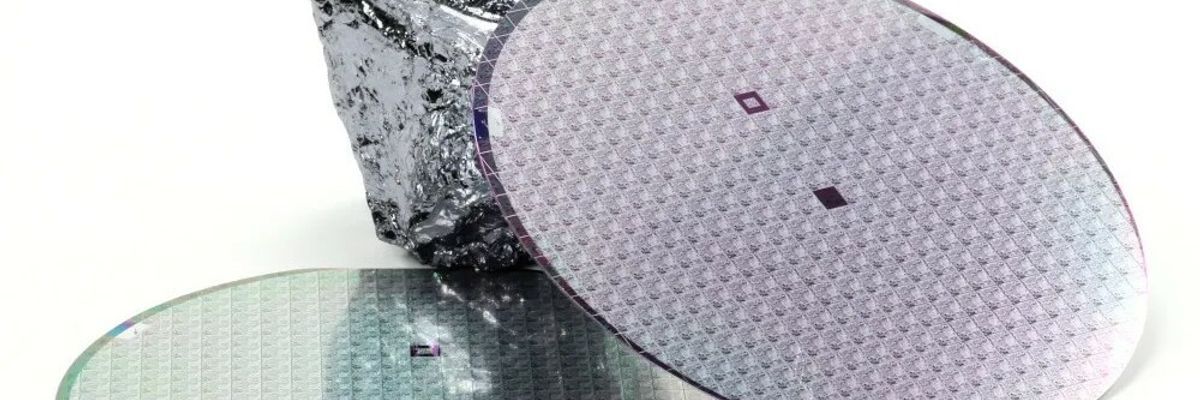
Polysilicon is a fundamental material used in the production of semiconductors and solar cells, with the Siemens process remaining the dominant method for achieving ultra-high purity. This process begins with metallurgical-grade silicon, which is chemically transformed into trichlorosilane (TCS) and purified through distillation. The purified gas is then introduced into a CVD reactor, where electrically heated silicon filaments serve as the substrate for deposition.
Inside the reactor, TCS decomposes at high temperatures, depositing silicon onto the filaments and gradually forming polysilicon rods. These rods grow in diameter over time, reaching sizes of 150 mm to 200 mm. The process is energy-intensive and highly sensitive to temperature variations. Maintaining a consistent temperature across the growing rods is essential to ensure uniform deposition, prevent structural defects, and achieve the required material purity.
Even slight temperature deviations can lead to significant issues. Excessive temperatures may cause uncontrolled growth, surface irregularities, or even melting of the rods, which can disrupt the entire process. Conversely, insufficient temperatures can slow deposition rates and result in incomplete or low-quality material formation. Therefore, precise and stable temperature control is critical for both process efficiency and product quality.
Accurate Temperature Measurement of Silicon Using Infrared Pyrometers
Due to the harsh reactor environment and the nature of silicon crystal growth, conventional contact temperature sensors cannot be used. Infrared pyrometry becomes the only viable solution for monitoring temperature during the process. However, silicon’s varying emissivity presents a unique challenge, requiring careful selection of measurement wavelength and technology.
Short infrared wavelengths around 1 µm are preferred for measuring silicon, as emissivity remains more stable in this range. Two-color pyrometers further enhance measurement reliability by comparing signals from two wavelengths, reducing errors caused by emissivity fluctuations, contamination, or optical interference. This makes them particularly suitable for dynamic and complex environments like the Siemens process.
Fiber optic pyrometers offer additional advantages by enabling flexible installation in confined spaces. Their compact sensing heads can be positioned close to the measurement point, while the electronics remain protected outside the reactor. This design ensures accurate readings without exposing sensitive components to extreme heat, vibration, or chemical exposure.
While some processes may still utilize single-color pyrometers for repeatability, ratio pyrometers provide superior accuracy and adaptability. Advanced ratio modes can compensate for non-uniform emissivity behavior, ensuring reliable temperature measurement even under changing process conditions.
Durable, Economical, and Reliable IR Measurement for Polysilicon Growth
Infrared temperature measurement systems designed for polysilicon growth must combine durability, precision, and cost-effectiveness. Fiber optic ratio pyrometers meet these requirements by delivering consistent performance in extreme industrial environments. Their non-contact operation eliminates contamination risks and ensures uninterrupted process monitoring.
In addition to their technical advantages, modern IR pyrometers offer significant economic benefits. They provide high measurement accuracy at a competitive cost, reducing the need for expensive alternatives while maintaining process reliability. Short lead times enable faster deployment, helping manufacturers optimize production more quickly.
Comprehensive software support allows for real-time monitoring, data analysis, and remote configuration, giving operators full control over the process. Combined with ongoing technical support, these systems enable continuous improvement and long-term operational stability.
Ultimately, implementing durable and reliable infrared temperature control solutions in polysilicon growth processes enhances product quality, reduces risks, and improves overall production efficiency, making them an essential component of modern semiconductor and solar manufacturing.


